

Inclusion is not charity - it is fairness
Is living with dignity and independence a privilege or a right? For MEP Rosa Estaràs Ferragut, inclusion for persons with disabilities is a democratic imperative, not an act of charity.
Published on
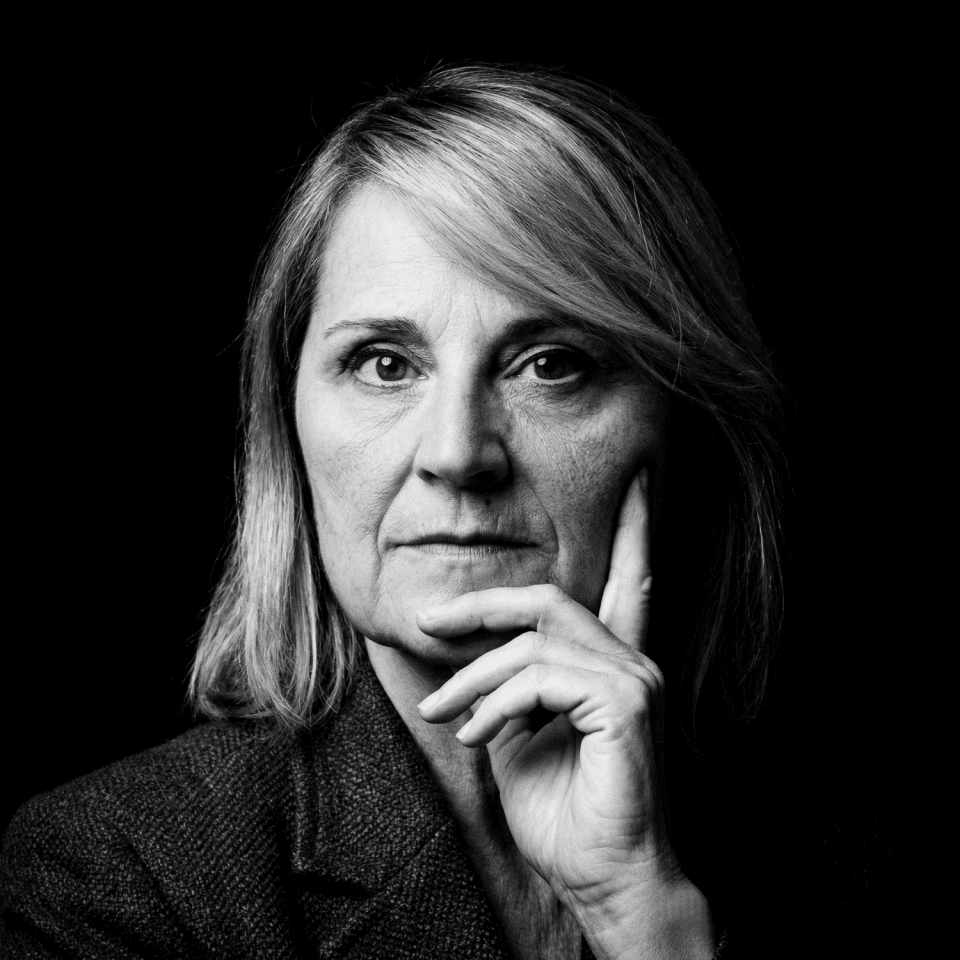
By Rosa ESTARÀS FERRAGUT
EPP Group Member of the Intergroup on the Social Economy and Services of General Interest and Substitute in the Committee on Employment and Social Affairs (EMPL)
Imagine knocking on door after door in search of a job, only to be turned away; not because you're unqualified, but because you live with a disability. Imagine needing to visit a doctor, get to class, or take the bus to work, only to find that these basic services are built for everyone but you. For millions of persons with disabilities across the European Union, this is not imagination, it is daily reality.
Far too many persons with disabilities continue to be left behind - from decent work, from public life, from the very services meant to support and protect all citizens.
Access to quality work remains one of the biggest hurdles for persons with disabilities in the EU. Shockingly, only 47.4% of young persons with disabilities are employed - a staggering 20-point gap compared to their non-disabled peers. This isn't just a statistic. It's the difference between inclusion and isolation, between independence and poverty.
Employment is more than a paycheck. It's dignity, autonomy, and the ability to fully belong in society.
In fact, over 28% of persons with disabilities live at risk of poverty or social exclusion. That's not just unacceptable, it's avoidable. Employment is more than a paycheck. It's dignity, autonomy, and the ability to fully belong in society.
And yet, the challenges do not end here. Healthcare remains out of reach for many. Opportunities for higher education and skills training are still scarce. Accessible, affordable housing is painfully lacking across the EU. Current transport laws, while improved, still fall short, making travel a constant battle.
And for women with disabilities, these challenges are compounded. They face multiple layers of discrimination: higher unemployment, lower pay, alarming rates of violence, and additional challenges in accessing healthcare.
The time to act is now. For dignity. For equality. For a future where no one is left out.
The European Union - and each one of us - needs to do more, and to do it better! The path forward demands bold and concrete steps. It is urgent to close the employment gap by ensuring easier access to jobs through targeted support programs, including tailored training, and by enforcing reasonable workplace accommodations. Persons with disabilities must be guaranteed accessible healthcare, education, and housing through updated laws and adequate funding for inclusive services that meet real needs. Transport policies must be urgently revised to eliminate the remaining barriers and ensure true mobility for all. These are the pillars of full integration and true independence.
Moreover, reducing the risk of poverty requires social protection systems that are inclusive and responsive to the needs of persons with disabilities. Gender-specific discrimination must also be tackled head-on with dedicated resources aimed at protecting and empowering women with disabilities.
Inclusion is fairness, not charity. The EPP Group stands committed to turning these aims into action with concrete policies and strong political will.
The time to act is now. For dignity. For equality. For a future where no one is left out. Because belonging is not a privilege - it is a right.
Disclaimer
All opinions expressed in this column reflect the views of the author(s) and do not necessarily represent the views of EXPERT EUROPE or its editorial team.
Comments0
Please log in to see or add a comment
Suggested Articles